



About Us
Tribute to Cornelis Chastelein
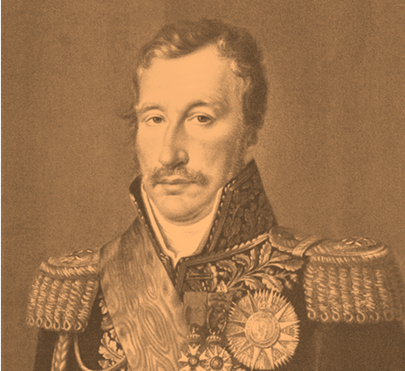 Cornelis Chastelein was born in Amsterdam on 10 August 1657. He came from a distinguished merchant family. His father, Anthony Chastelein, was a director of the Dutch East India Company in Amsterdam. His mother, Maria Cruydenier, was the daughter of the mayor of Dordrecht. Her father was also a director of the Dutch West India Company.
On 24 January 1675, Cornelis Chastelein, aged 17, boarded the ship 't Huis te Cleeff. After a voyage of 223 days, he arrived in Batavia on 16 August 1675. Barely 18 years old, he joined the VOC as an accountant.
Cornelis Chastelein quickly rose through the ranks of the VOC. In 1682, he was “Chief Merchant in the Great Store in Batavia” and in 1691, he was “Second Chief Merchant of the Castle of Batavia”.
Although Cornelis Chastelein worked for the VOC, he had very different ideas about his employer's trading system, as well as about the position of the indigenous population and the development of the colony. Cornelis Chastelein was very interested in agriculture and the culture of the indigenous population and the then still unspoilt nature.
These divergent ideas did not endear him to everyone, and when Johan van Hoorn was appointed Director-General in 1691, making him Chastelein's superior, Chastelein was honourably dismissed at his own request ‘in view of his increasing weakness’.
From 1691 to 1704, Chastelein was a citizen without office, during which time he purchased various estates. On 18 May 1696, he purchased the Depok estate at post 21 (approx. 32 km from Batavia).
Depok consisted of five estates: Depok, Mampang, Karang-Anjer and two small plots on either side of the Tjiliwoeng between Batavia and Buitenzorg.
Cornelis Chastelein was opposed to slavery and used the provisions that had been established in this regard to grant slaves their freedom. The church council in Batavia had determined that slavery was contrary to the Bible. However, this provision was only valid for Christians.
For this reason, Chastelein converted his slaves to Christianity and thus gave them their freedom. In 1714, the year Chastelein died, the number of freed slaves was estimated at around 200.
For his estate in Depok, Chastelein had purchased 12 slave families from all parts of the archipelago: Balinese, Ambonese, Buginese and Sudanese. It is believed that there were also descendants of the Mardijkers among them. Mardijkers were half-blood descendants of Portuguese colonists and had been converted to Roman Catholicism. The name Mardijkers comes from the Indonesian word Merdeka, which means “free” or “independent”.
The 12 original family names are: Bacas, Isakh, Jacob, Jonathans, Joseph, Laurens, Leander, Loen, Sadokh, Samuel, Soedira and Tholense.
The biblical number 12 represents, among other things, the beginning of a “new people”, and if we relate this number to the twelve original families, it gives substance and meaning to Cornelis Chastelein's wish and mission.
Cornelis Chastelein died at the age of 56 on 28 June 1714 at 4 o'clock in the afternoon. In addition to his great ability as a businessman, Chastelein was a socially committed man who was far ahead of his time. His greatest achievement was his legacy to his serfs. In his will, he stipulated that the twelve original families would inherit the 1,240-hectare Depok estate as communal property and thereby also gain their freedom. And so it was determined that “freed serfs and their descendants would own and use the land forever”.
Inspired by history, driven by purpose.
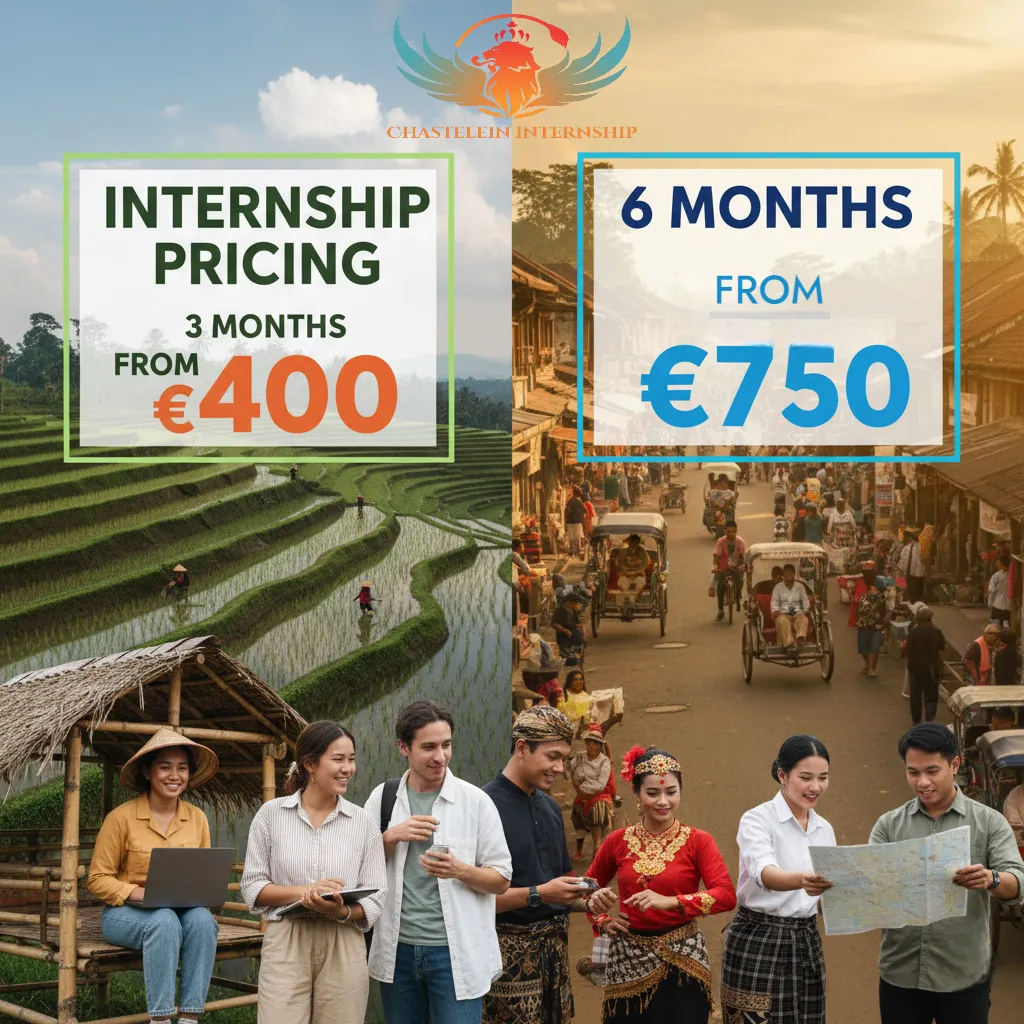
Chastelein Internship is an intercultural internship programme that connects Dutch students and professionals with meaningful work experience in Indonesia. The founder of Chastelein Internship has deep roots in Depok and its remarkable history. Founded in 2026, our company is inspired by a unique blend of historical heritage and modern collaboration between the Netherlands and Indonesia. Our name, Chastelein, is a tribute to Cornelis Chastelein, the visionary and founder of the city of Depok in West Java. Known for his wisdom, humility and progressive spirit, Chastelein provided education to indigenous communities and promoted values such as dignity and equality during the colonial era. We proudly bear his name and continue his vision by building bridges between people, cultures and generations.
Through internships in fields such as tourism, culture, technology and social work, we offer Dutch interns the opportunity to experience the culture and unique traditions of Indonesian life.
Would you like to read more about the history of Depok and Cornelis Chastelein?
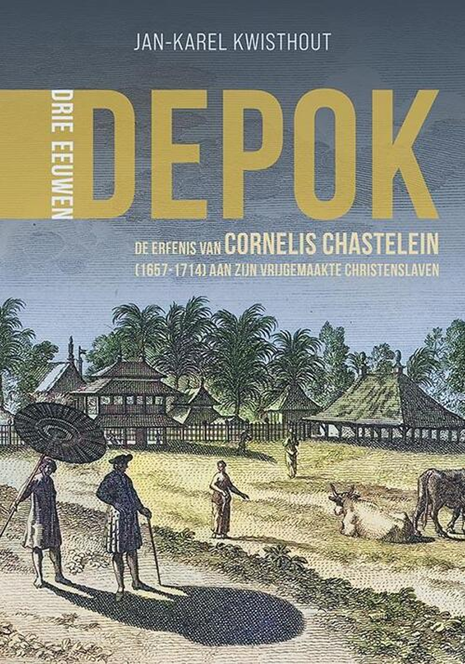
The author Jan-Karel Kwisthout has written a wonderful book about this.
‘Three centuries of Depok - The legacy of Cornelis Chastelein (1657-1714) to his freed Christian slaves’.


We Offer Placements in a Wide Variety of Fields
Our team helps you find the right company that matches your interests — with personal guidance every step of the way.

Tourism and hotel management
Experience Indonesia’s tourism industry through placements in hospitality, travel services, or sustainable tourism projects.

Social Culture
Work with local communities to explore arts, heritage, and cultural preservation initiatives.

Engineering
Apply your skills in real-world infrastructure or technology projects alongside local engineers.

Education
An education internship offers hands-on experience in teaching, administration, or educational research.

Art
An art internship offers hands-on experience in creative environments such as galleries, studios, museums, or design agencies.

Biotechnology
A biotechnology internship provides practical experience in laboratory research, product development, or clinical settings.

Health
A health internship offers hands-on experience in healthcare settings such as hospitals, clinics, public health organizations, or research institutions.

Transport and Shipping
A Transport and Shipping internship provides practical experience in logistics, freight operations, and supply chain management.